
What to expect on the day of an All-on-4 procedure
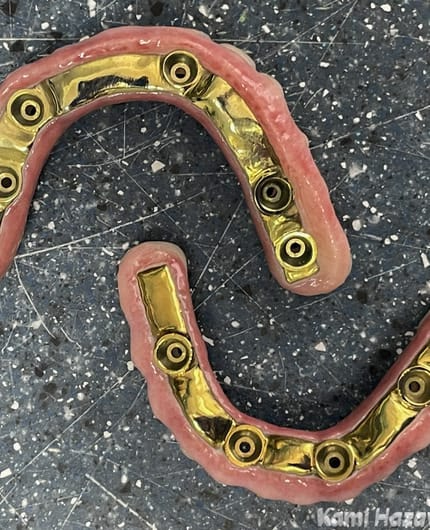
An All-on-4 procedure replaces a full arch of teeth with a fixed bridge supported by dental implants. The day itself is long and carefully planned in advance. Knowing the general shape of it, and how to prepare, can make it feel far more manageable. Here’s an overview of what many patients can expect.
A plan made well before the day
By the time the procedure day arrives, most of the decisions have already been made. Full-arch treatment usually starts with a thorough examination, imaging and records, which are used to plan where the implants will go and what the new teeth will look like. The exact steps, timing and type of anesthesia vary from person to person, so treat this article as a general outline. Your own plan, explained at your consultation, is the one to follow.
If anything about the plan is unclear, the consultation is the time to ask. It’s reasonable to ask how long the day is likely to take, what kind of anesthesia is planned, what the temporary teeth will be like, and what you’ll need at home afterward.
How the day usually unfolds
Full-arch appointments often run for several hours, and it’s worth clearing the whole day. While every case is different, the day commonly follows a broad pattern:
- Arrival, and a review of the plan, your health history and any medications, with time to ask last questions.
- Anesthesia, so the area is numb and you’re comfortable. Which options suit you is discussed and agreed beforehand.
- Removal of any remaining teeth in the arch that the plan calls for, and careful cleaning of the area.
- Placement of the implants in the positions planned in advance.
- In many cases, attachment of a temporary fixed bridge on the same day or soon after, so you don’t go home without teeth.
- Time to rest and recover before leaving, along with written aftercare instructions.
The temporary bridge is designed for the healing period. Over the following months the implants bond with the jawbone, and once healing is confirmed, a final bridge is usually made. How long that takes depends on how you heal and on the details of your case.
The day is long, but very little about it should come as a surprise.
Preparing in the week before
Good preparation takes a lot of pressure off the day itself. You’ll be given instructions specific to your treatment, and those always come first. In general, it helps to:
- Review all your medications and supplements with the dentist, and don’t stop or change any of them without asking first.
- Arrange for someone to drive you home and, ideally, stay with you for the first evening.
- Stock up on soft, nourishing foods such as soups, yogurt, eggs, smoothies and mashed vegetables.
- Get ice packs and extra pillows ready, and fill any prescriptions you’ve been given in advance.
- Plan a few quiet days off work, and avoid scheduling anything strenuous.
- If you smoke, ask about stopping before and after surgery, since smoking can slow healing.
Follow any instructions about eating and drinking before the appointment closely, especially if sedation is part of your plan. Wear comfortable, loose clothing, and bring a written list of questions if you have them. It’s easy to forget them on the day.
The first days of healing
Swelling, some bruising and soreness are normal after full-arch surgery. Swelling often builds over the first two to three days before it starts to settle. Slight oozing of blood is common on the first day. Most people feel tired and are glad they planned time to rest.
Cold compresses on the cheeks during the first day or so, resting with your head raised, and taking medications exactly as directed usually help. Stick to the soft diet you’ve been given, and avoid biting into hard or chewy foods with the temporary bridge, even once it starts to feel comfortable. Keep the area clean in the way you’ve been shown.
New teeth also take some getting used to. The temporary bridge may feel bulky at first, and your speech might sound a little different for a few days while your tongue and lips adjust. For most people this improves steadily with everyday talking and eating.
Call the practice if pain is getting worse rather than better after the first few days, if bleeding doesn’t slow with gentle pressure, or if the temporary bridge feels loose. If you have swelling that is spreading, a high fever, or any trouble breathing or swallowing, go to the emergency room or call 911.
If you’re considering All-on-4 or have a procedure coming up, questions are always welcome. Call Artistic Dentistry at (610) 779-0911 and we’ll be glad to talk them through with you.
General information, not medical advice. For advice about your own teeth, call us on (610) 779-0911.